The Vellum Aurelia concierge shall correspond with you in private within 24 hours to confirm the particulars of your engagement.
For the keeping of beautiful things
Vellum Aurelia is a private house devoted to the quiet art of exceptional leather and gilded workmanship. Within its world, time-honoured craft is held in the highest regard, and every piece is conceived as a lasting expression of distinction. We create singular objects for those who understand that true luxury is neither loud nor easily acquired. It resides in the considered choice of a hide, the assured hand of the artisan, the glow of finely worked metal, and the rare pleasure of possessing something made with patience, precision, and restraint.
Each Vellum Aurelia creation is designed for a life of discernment. Discreet in expression, exacting in detail, and enduring in purpose. It is a private expression of taste for those who value provenance over spectacle, permanence over novelty, and the incomparable satisfaction of things properly made.
Reserved for a discerning few, each collection exists in limited numbers and with a sense of quiet authority.
Vellum Aurelia is guided by a conviction as refined as it is unyielding. True luxury lies not in abundance, but in discernment. It is expressed through the most assured choice of material, the natural harmony of proportion, the composure of restraint, and the patient devotion required to bring each piece to its rightful finish.
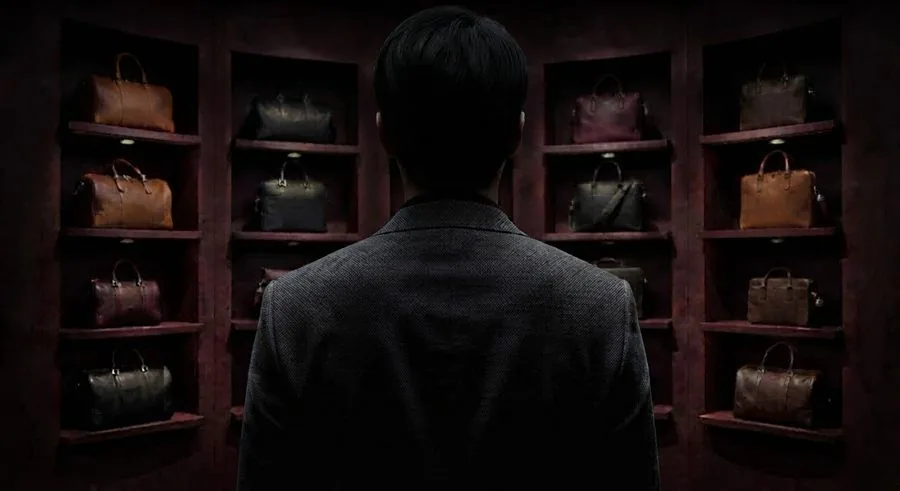
The atelier, where materials, judgement, and finishing define the work that follows
Explore →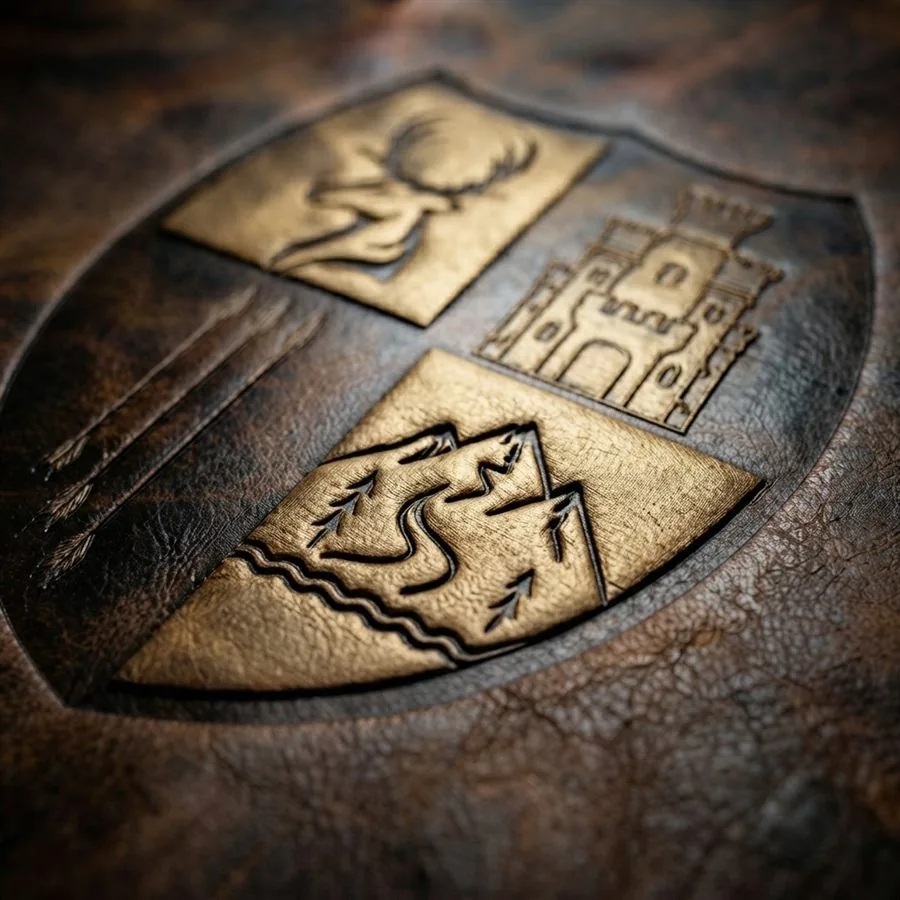
The surface, distinguished by a language of detail.
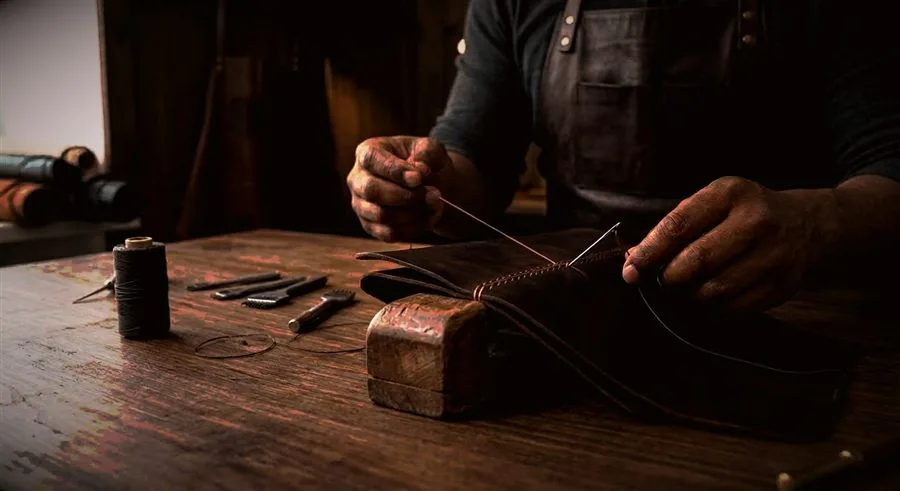
The joining, shaped by discipline and restraint.
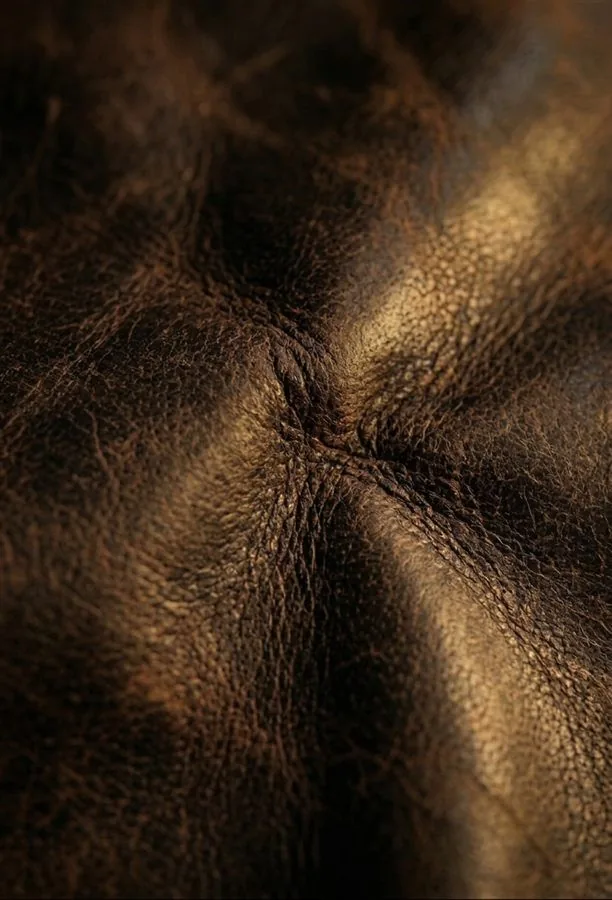
The material in its truest form, chosen for its grain and depth.
Vellum Aurelia presents its collections as carefully composed expressions of the House. Rare in number, exacting in workmanship, and unified by a quiet standard of excellence. Each piece is conceived to hold its own presence, defined by considered proportion, noble materials, and the discipline required to bring it properly to life.
The collections are guided by selectivity, patience, and an unwavering regard for quality. Nothing is made to overwhelm. Nothing is made without purpose. Vellum Aurelia remains devoted to objects that carry character, composure, and enduring relevance.

Vellum Aurelia is founded upon heritage, discernment, and an abiding reverence for the art of making. Its origins rest on a belief that true luxury is defined not by excess, but by character. Not by display, but by the composed authority of things shaped with conviction, patience, and exacting care.
The House exists to uphold that standard. Its history, philosophy, and manner of working are bound to a single principle, that what is truly exceptional needs no embellishment, only the dignity to stand entirely on its own.
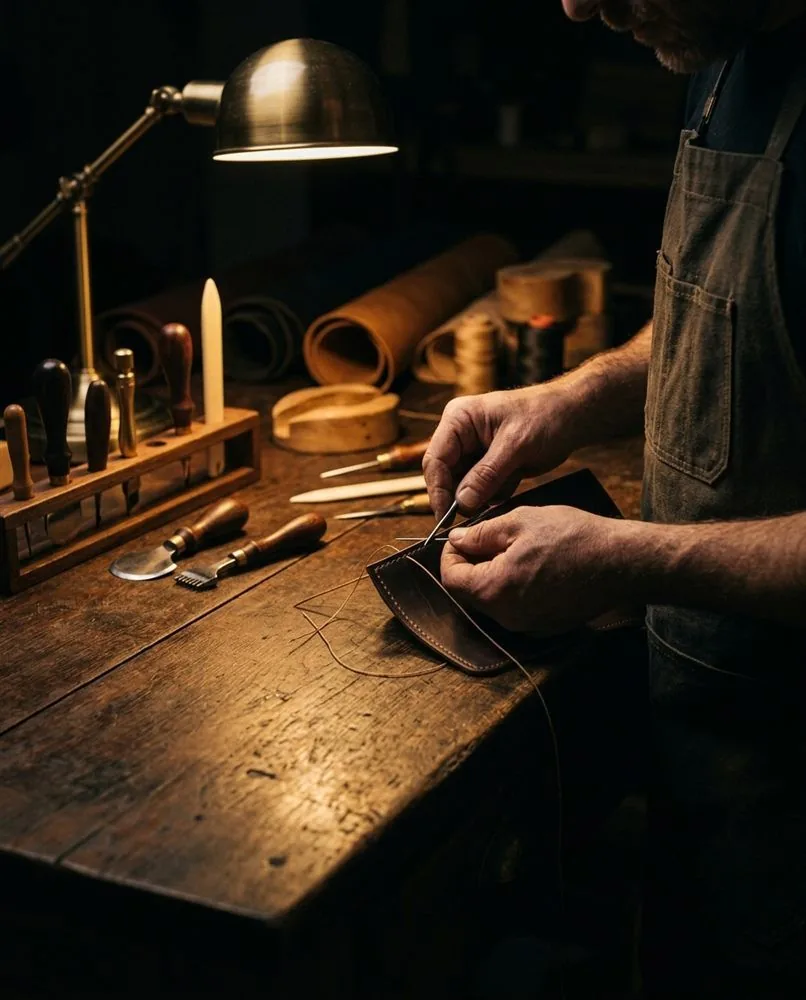
Vellum Aurelia extends a private concierge service to a select few, offering direct access to the House with a level of attention reserved for those who understand the value of discretion. It is not a standard enquiry path, but an invitation into something more intimate, more exacting, and far less ordinary.
Each conversation is handled with quiet confidence, shaped around the client rather than the occasion. Every detail is considered, every response is deliberate, and every exchange reflects the standard of a House that knows precisely who it is for.
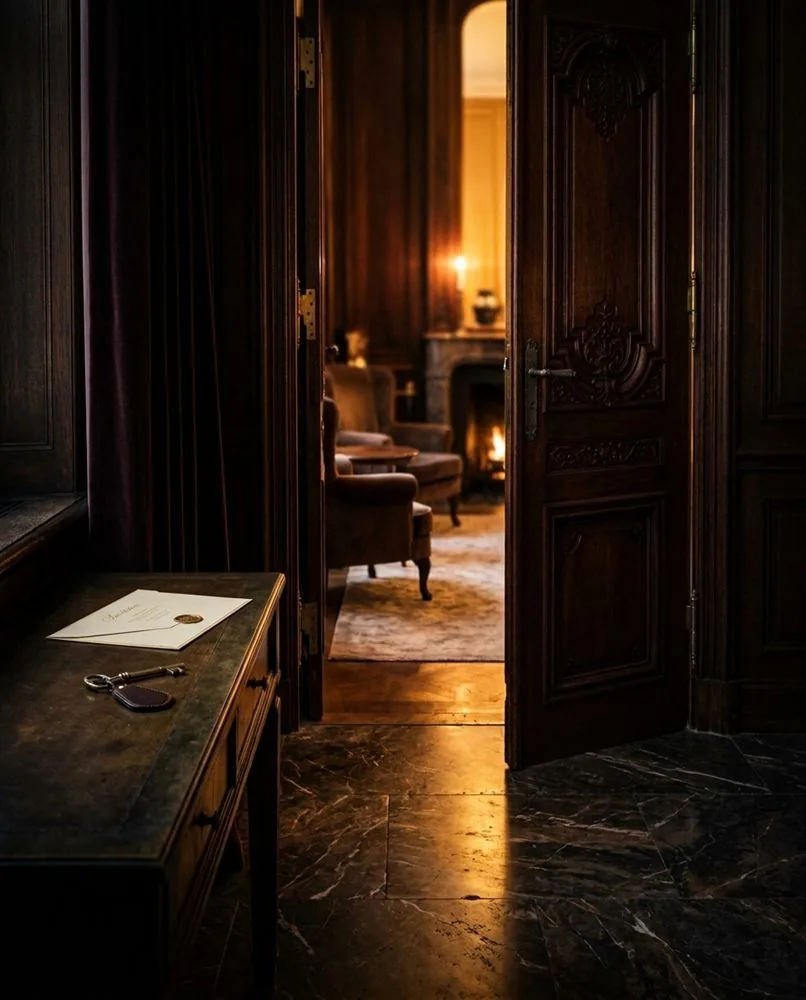
Vellum Aurelia is not a modern brand adorned with the language of inheritance. It is the continuation of a family stewardship begun in 1951, carried forward through generations with the steadiness of purpose that distinguishes the enduring from the merely visible. What stands here today is the consequence of years of labour, discernment, and an unwavering devotion to the exacting standards by which true houses are made.
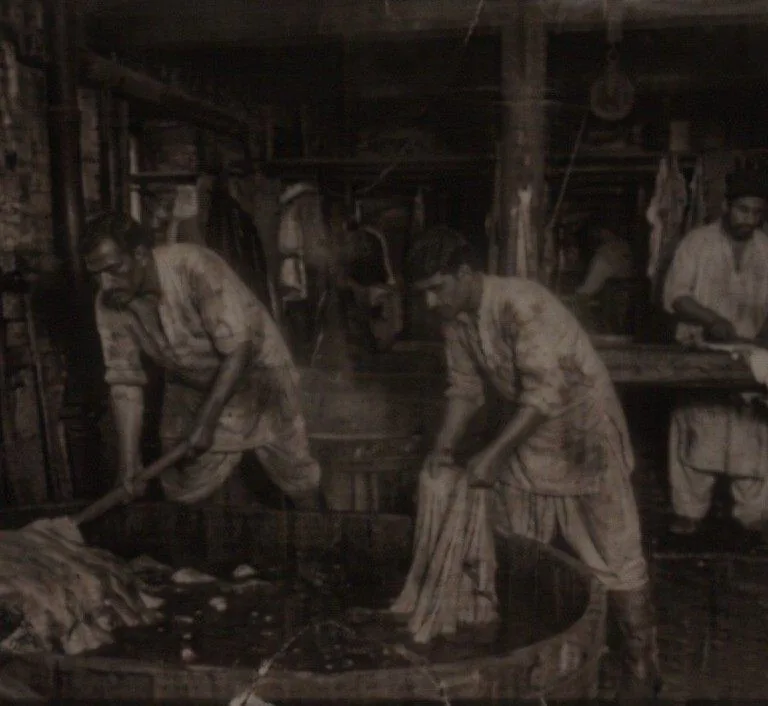
In 1951, a young man of one-and-twenty entered the work of tanning not as one takes up a trade for convenience, but as one submits to a discipline that must be earned with time. The age was one of machinery, yet the work remained stubbornly human. Each hide was salted, washed, scraped, tanned, and polished by hand, every stage requiring judgement, patience, and a measure of humility before the material itself.
Cowhide, sheepskin, goat, deer — each was treated with the same exactness, and each emerged bearing the quiet assurance of craft properly understood. In time, his name travelled among those who knew leather not as a commodity, but as a material capable of nobility when handled with sufficient care. Such reputations do not arrive noisily. They settle, slowly, in the minds of those who recognise excellence when they encounter it.
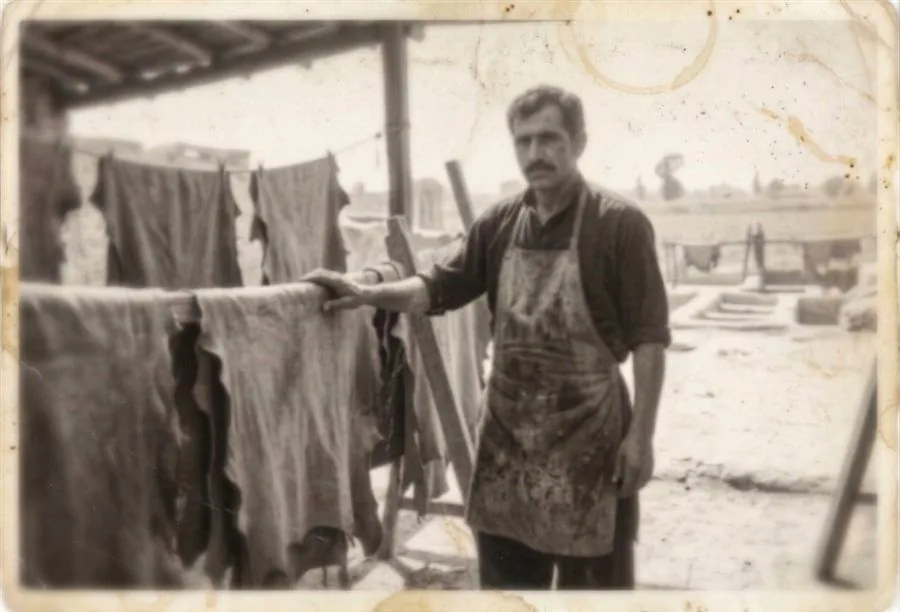
By 1978, the knowledge of the trade had passed to his son, and with it more than technique. He inherited a complete understanding of what renders a hide supple, enduring, and worthy of a long life. Under his stewardship, the tannery matured into an operation of formidable scale, ultimately producing some eighty thousand square feet of leather each day and standing among the three largest in the region.
Yet scale was never allowed to become the point. Whether cowhide or crocodile, camel or rabbit, a single skin or a thousand, every piece was made to order and held to the same unsparing standard. The leather travelled into fine automobiles, jackets, gloves, and bags across the world, recognised less by the public than by those whose own work depended upon its consistency, its finish, and its character.
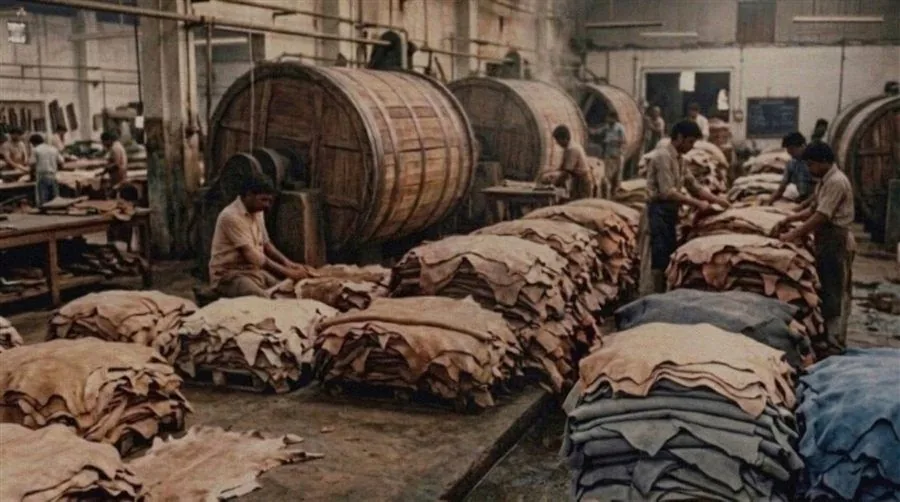
It was the third generation who perceived what the trade itself had not properly articulated. Trained in fashion rather than tanning, he saw that the market was rich in quality yet curiously short of true exclusivity. He understood that rarity is not bestowed by price alone, nor by the mere fact of difficulty. It must be cultivated, protected, and presented with discipline.
He therefore chose a different path. Not a factory, but an atelier. Not volume, but rarity. Not repetition, but a private standard of making reserved for those who genuinely understand the gravity of exceptional craft. To bring that vision to life, he drew upon half a century of relationships and gathered artisans who understood not merely the stitch, but the silence between stitches; who could read a hide by instinct; who knew precisely how a patina would rise, deepen, and mature over time.
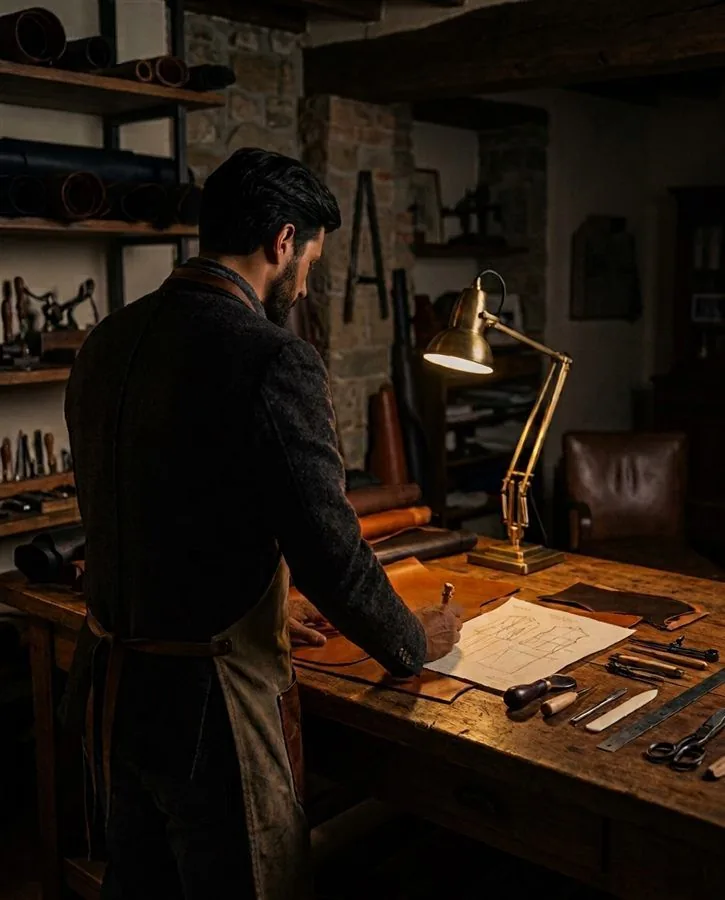
From the union of inherited mastery and contemporary discernment, Vellum Aurelia came into being. It did not arrive as a commercial proposition, nor as an exercise in self-advertisement, but as a house in the old and proper sense: a disciplined lineage of making, held together by standards that are not negotiated and not easily imitated.
Its pieces are produced in exceedingly limited numbers and offered only to those who recognise that true luxury is not abundant, nor ought it to be. Each work is conceived with discretion, made with precision, and released only when it has attained the level of distinction the house requires. Nothing here is casual. Nothing is made to satisfy the broad appetite of the market. Everything is created under the governance of rarity, judgement, and restraint.
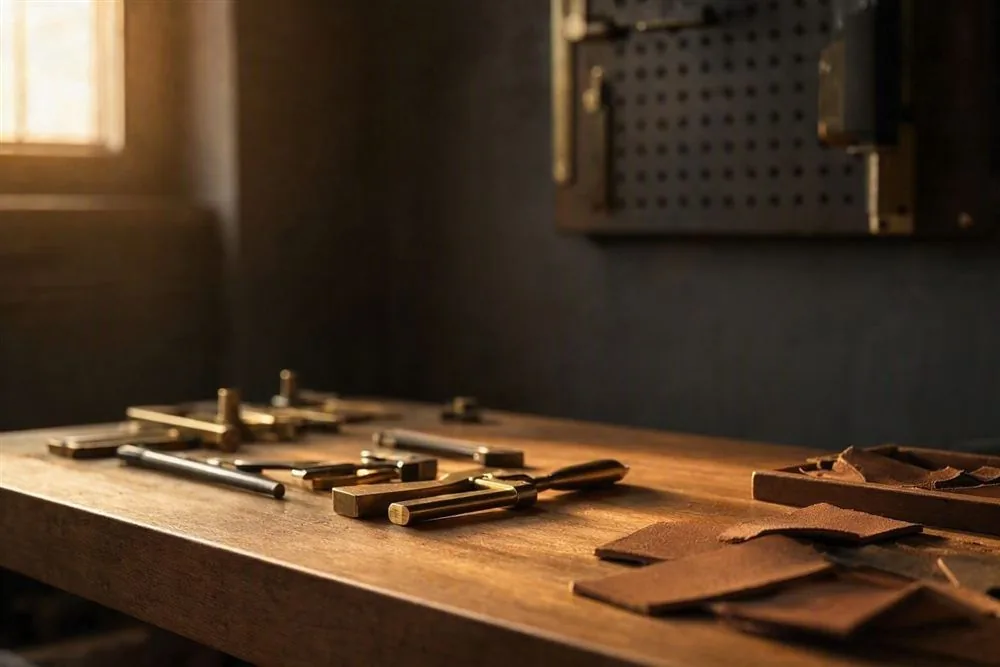
The house is governed by principles older than fashion and more exacting than trend. It gives precedence to substance over embellishment, provenance over noise, and workmanship over volume. Each piece is considered in its own right, each material selected with deliberation, and each detail refined until it belongs naturally to the whole.
Nothing here is hurried. Nothing is overexplained. Nothing is made to appear commonplace. The conviction is simple: the finest work is not mass-produced into importance, but patiently brought to a state where importance becomes undeniable. The house does not seek to be understood by everyone. It seeks only to be recognised by those for whom true craftsmanship still carries meaning.
Vellum Aurelia stands as the continuation of a family discipline that began in tanning and matured into a private house of exceptional standard. Its heritage is not decorative, but structural. It informs the pace of the work, the materials the house will admit, the artisans it will trust, and the discretion with which it conducts itself.
This is the consequence of a legacy refined rather than inflated. What began in 1951 as handwork became, through generations of stewardship, a house devoted to the rarest form of luxury: that which does not announce itself, because it is already evident in every detail.
There are houses that seek attention, and houses that command it by virtue of their standard alone. Vellum Aurelia belongs to the latter category. It is the product of inheritance, discipline, and discernment — a lineage of craft that has not been interrupted by convenience, softened by compromise, or diluted by scale.
Its future will be judged not by how broadly it is known, but by how faithfully it preserves the quality of its beginnings. In that sense, the house does not merely remember its history. It continues to obey it.
Within these pages, the House records what time alone confers upon a craft practised with devotion: the stories behind its founding, the hands that shaped its standards, and the quiet convictions that have guided three generations of stewardship. The Archives are not a catalogue. They are a living record, added to as the House continues its work.
The Three Arrows of the Crown · The Mark of Vellum Aurelia
There are marks made merely to be known. There are others by which a House declares the measure it is prepared to keep. The emblem of Vellum Aurelia belongs to the latter kind.
It is founded upon the Three Arrows of the Crown: a private House allegory of discernment, restraint, and custody. Within their three lines is held the standard by which the House considers all material—what may first be regarded, what may be admitted to the Atelier, and what may, in time, bear the seal of Vellum Aurelia. The arrows do not speak of conquest, possession, or display. Their authority is quieter, and more exacting. They require the eye to look beyond first impression, the hand to submit itself to measure, and the House to remain answerable for whatever it permits to carry its name. They stand at the beginning of every Vellum Aurelia work.
The allegory tells of three brothers summoned beyond the royal boundary and entrusted with a charge of uncommon severity. They were not sent to return with abundance. Nor were they instructed to seek that which appeared beautiful at first regard. Their duty was more exacting: to find what might withstand the Crown’s long attention.
For the court was not merely a place of splendour. It was a place of judgement. Rarity alone did not secure admission. A flawless surface did not, by itself, establish worth. Before the sovereign measure, beauty was required to possess substance; strength was expected to retain grace; and every object was obliged to prove that it would continue to command esteem after the pleasure of first possession had passed.
Between the brothers were three arrows. Each bore one, and each represented a discipline which neither of the others could assume. One would see. One would shape. One would attest. No single virtue could fulfil the charge. Only when the three were held in accord could a material be judged worthy to pass once more through the gates. From that accord came the mark.
The first arrow is the Eye: the sovereign faculty of discernment. Beyond the House, a hide may be accepted because it is sound, supple, evenly finished, and handsome at first regard. At Vellum Aurelia, such qualities are only the beginning. The House does not seek leather that merely satisfies the common measure. It seeks material that retains a quality not immediately surrendered.
A worthy hide must hold light with depth, rather than return it flatly. Its grain must possess character without descending into disorder. Its strength must be apparent without becoming rigid beneath the hand. Its surface must invite touch without demanding attention. Above all, it must possess the rare capacity to grow more individual with time—to accept the marks of the life entrusted to it and translate them into a patina of greater distinction.
For this reason, the First Arrow is an arrow of refusal as much as selection. The leather admitted to the House has not merely passed inspection. It has survived comparison. It has stood before a more demanding question: does it have a future? Is its beauty already complete, or will it deepen through use, movement, light, and the quiet rituals of ownership? Only material capable of answering that question may pass into the Atelier.
The second arrow is the Hand: the discipline of transformation. To make is not necessarily to improve. In less considered work, material is pressed into submission—corrected until it becomes anonymous, burdened with detail until its character can no longer be read, or compelled to announce its value through ornament alone. Such gestures may attract the eye. They rarely command time.
Vellum Aurelia holds another conviction. The highest act of craftsmanship is not domination of material, but self-command in its presence. Once admitted, a leather is studied according to its own nature: its temper, its grain, its movement, its response to light, and the particular manner in which it wishes to be held. The proportion of a form, the placement of a seam, the turn of an edge, the balance of closure and hardware—each decision is made so that the material is not obscured by the act of making. Nothing is permitted merely for the sake of being noticed.
The hand of the Atelier resolves, refines, and removes what does not belong. It understands that the distance between extravagance and authority is often the distance between addition and restraint. Each work is made with sufficient complexity to endure, and sufficient quietness to remain composed long after fashion has exhausted itself.
The third arrow is the Seal: the responsibility that follows creation. A work is not complete merely because it has passed through the Atelier. The House holds that the duty of craftsmanship continues after the object has entered the keeping of its owner. To place a name upon a piece is to assume responsibility for its origin, its identity, and the standard that name represents.
Each Vellum Aurelia work is assigned an individual authentication record through the House’s appointed process. This record confirms its origin, identifies it as an authentic work of Vellum Aurelia, and provides its owner with considered assurance of provenance. The mark is not only a sign to be seen. It is a record for which the House remains answerable.
The House does not promise the impossible. It makes the stronger and more credible pledge: that a rightful work of Vellum Aurelia possesses an identity capable of verification, and that the House maintains a clear standard by which its origin may be recognised. The seal declares that the object has passed through the Eye, the Hand, and the custody of the House—and that Vellum Aurelia stands behind the work that carries its name.
Together, the Three Arrows form the private compact of Vellum Aurelia. The First Arrow requires the House to recognise only what is worthy. The Second Arrow requires the House to shape only what will endure. The Third Arrow requires the House to stand behind all that bears the seal.
This is not a sequence that begins after design or ends at purchase. It is a continuous discipline—beginning with the hide, continuing in every decision made through the Atelier, remaining present in the individual identity assigned to each completed work.
The three arrows remind the House that perfection is not sameness. A material without variation may appear controlled, yet lack life. A form without restraint may attract attention, yet fail to acquire authority. A work without accountable origin may appear convincing, yet never become truly secure. Vellum Aurelia seeks another condition: material with character, craft with judgement, and ownership with assurance.
The Three Arrows are not an emblem applied at the conclusion of making. They are the condition that precedes it—carried in the standards of the Atelier, held in the judgement behind material selection, and preserved in the authentication identity of every work admitted to the House.
They serve as a quiet reminder that distinction is not granted through abundance, noise, or proclamation. It is established by a standard maintained when no one is watching. Not a decorative signature. Not an accessory to the object. A seal of admission, a discipline of the hand, a pledge that every work bearing the name has been admitted without concession, made with restraint, and entrusted to time under the keeping of the House.
Three Arrows · One Standard · Admitted with judgement · Shaped with restraint · Upheld by the House.
House Note: The Three Arrows of the Crown is the founding allegory of Vellum Aurelia. It is an original House symbol and does not imply royal appointment, royal patronage, or affiliation with any existing Crown or Royal Household.
Vellum Aurelia · The Name by Which the House Is Known
A House does not choose its name lightly. A name is the first mark placed upon its work, the first distinction by which it enters the world, and the first obligation it assumes before those who are permitted to regard it. Vellum Aurelia was chosen to hold two qualities in proper accord: the permanence of what is kept, and the radiance of what is revealed. The first belongs to material. The second belongs to light. Between them rests the character of the House.
Vellum belongs to the older discipline of keeping. It recalls the prepared surface upon which words, laws, accounts, and histories were committed to permanence. Such a surface was not valued merely because it could receive a mark. It was valued because it could preserve what was considered worthy of being carried beyond its first moment.
The House does not regard material as an incidental covering. It is the first bearer of the work’s identity. It receives the hand, holds the form, and remains present as the object passes from its making into the keeping of its owner. Leather, properly chosen, possesses a similar dignity. It protects, yet it also records. It bears the evidence of use without surrendering its character. It accepts the passage of time, not as an injury to be concealed, but as a history to be carried with distinction.
Vellum therefore speaks of what the House is prepared to preserve: the integrity of material, the discipline of making, the identity of the work, and the history entrusted to its keeping.
Aurelia belongs to the language of light. It carries the warmth of gold, but not the insistence of display. It suggests the quiet radiance by which depth is disclosed: light upon a grain, light along an edge, light held in the curve of a form, light gathered slowly upon a surface that has been allowed to mature.
The House does not understand radiance as brightness alone. True radiance is measured by what it reveals. It does not interrupt the eye. It rewards it. It does not demand immediate admiration. It acquires authority through attention. This is the quality Aurelia contributes to the name: the warmth within precision, the grace within strength, the light by which character becomes legible.
Vellum speaks of what remains. Aurelia speaks of what is revealed. One preserves the record. The other gives it presence. Together, they establish the standard by which the House approaches its work. An object must possess a character worthy of preservation, yet it must also possess the presence to remain compelling as time passes over it.
The name therefore refuses two lesser conditions. It does not seek permanence without life. Nor does it seek beauty without substance. Vellum Aurelia is concerned with the point at which the two become inseparable: when material is selected with judgement, shaped with restraint, and allowed to acquire a deeper authority through use. The name is not a contradiction. It is an accord.
A Vellum Aurelia work is made to pass beyond the moment of its completion. Its first form belongs to the Atelier. Its continuing character belongs to time. With use, the leather receives the evidence of movement, touch, travel, and care. The surface deepens. The object becomes less generic and more entirely itself. Its history begins to appear not through inscription alone, but through the quiet changes that cannot be manufactured in advance.
This is why the House does not seek material whose beauty is exhausted at first encounter. The work must have a future. It must be capable of retaining its composure while accepting the signs of a life properly lived. It must remain recognisable without remaining untouched. It must become personal without becoming diminished.
A name is not merely what a House is called. It is what the House agrees to answer for. Vellum Aurelia answers for the material admitted to its keeping, the judgement exercised in its selection, and the restraint applied in its transformation. It answers for the identity of the completed work and for the standard represented by the mark it carries.
To bear the name is therefore not a matter of ornament. It is a matter of responsibility. The House must remain worthy of its own signature. It must refuse what does not meet its measure, restrain what would weaken the form, and preserve the distinction between what is merely attractive and what may properly endure. In this sense, the name is not placed at the end of the work. It is present before the beginning.
The name of a House must possess enough strength to outlive the circumstances of its founding. Its meaning may deepen through successive collections, private commissions, materials, and chapters yet to be written. Its expression may develop, but its standard must remain recognisable.
Vellum Aurelia does not claim an inherited history that is not its own. It establishes a history by the manner in which it chooses, makes, and keeps. Each work adds to the record. Each material admitted to the Atelier confirms or challenges the measure. Each object entrusted to an owner carries the name into a further chapter. Thus the House is not defined by age alone. It is defined by continuance—by the ability to preserve its character while allowing time to give that character greater depth.
Vellum: the record entrusted to material · Aurelia: the light by which its character is revealed · Together, the name of a House concerned with what may be preserved, what may be admitted, and what may be allowed to endure.
The Standard by Which the House Is Kept
A House is not defined by what it declares of itself. It is defined by the measure it is prepared to maintain when no one is present to commend it, and when no one is near enough to question the choice. The measure of Vellum Aurelia begins before the first pattern is drawn, before the first seam is set, and before any work is permitted to bear the name of the House. It governs what may be considered, what may be refused, and what may ultimately be entrusted to time. The standard is not established by abundance. It is established by selection.
The House does not regard every material as an opportunity. Some are sound, yet without distinction. Some are beautiful, yet without depth. Others possess immediate appeal, but no promise beyond the first encounter. Vellum Aurelia is concerned with what remains after first impressions have passed. Material must possess character without disorder, strength without severity, and beauty capable of deepening through use. It must be able to receive the hand without losing its own nature, and to gather the evidence of time without becoming diminished by it.
To admit such material is not merely to approve its appearance. It is to accept responsibility for what it may become. The House therefore considers the future of a material as carefully as its present condition.
The character of a House is revealed as much by what it refuses as by what it permits. Vellum Aurelia will not admit material chosen merely because it is available, nor ornament applied merely because it attracts the eye. It will not mistake complexity for refinement, rarity for worth, or novelty for distinction.
The House does not pursue effect for its own sake. It refuses what is excessive without purpose, what is fashionable without substance, and what appears accomplished only because it is louder than the work surrounding it. Such refusals are not limitations placed upon creativity. They are the conditions by which creativity is given proper form. A House that permits everything soon loses the authority to distinguish anything.
A work begins with proportion. Before the edge, the closure, the fitting, or the final mark is considered, there must be an understanding of how the object is to stand, to move, to be held, and to remain in the company of its owner. Form must possess composure. It must not depend upon ornament to establish its importance, nor upon novelty to justify its existence. Its character should be apparent without being exhausted at first regard.
The line must be resolved, the opening purposeful, the closure belonging to the whole, and the hardware serving the form rather than interrupting it. Nothing is permitted to speak more loudly than the object itself. The House believes that authority in design is rarely achieved by addition alone. More often, it is found in the decision to leave aside what does not belong.
The hand of the Atelier is governed by discipline. It must understand the material before attempting to command it. It must recognise when a surface wishes to remain quiet, when a grain should be allowed to speak, and when a detail would burden rather than complete the form. To make well is not to impose the will of the maker upon every part of the work. It is to know where the maker’s hand should be evident, and where it should withdraw.
The finest workmanship does not ask to be admired for the difficulty of its execution. It is recognised through the composure of the finished object: the accuracy of the line, the integrity of the edge, the balance of the form, and the confidence with which every element occupies its place. Craft must never become spectacle. The hand should be present in every decision, yet absent from every gesture that seeks applause.
A Vellum Aurelia work must possess more than an accomplished appearance. It must be capable of remaining useful when fashion has moved elsewhere, composed after repeated use, recognisable without becoming rigid, and worthy of care when the novelty of first possession has passed.
The House does not seek objects that are preserved by being kept untouched. It seeks objects that may enter a life without surrendering their identity. Leather should soften without losing its strength. Colour should deepen without losing its character. The form should acquire familiarity without becoming ordinary. A work is not diminished by the history it gathers. When properly made, it is completed by it.
The House does not regard rarity as a declaration. It regards rarity as the natural consequence of a slower and more exacting manner of making. When material is selected with care, when each form is considered properly, and when the hand is not hurried beyond the standard it must keep, fewer works may pass through the Atelier. This is not scarcity arranged for effect. It is the result of refusing to make more than the House can properly regard.
A limited number is meaningful only when the attention given to each work is equally limited in neither measure nor duration. The worth of a rare object is not established by how few may possess it. It is established by whether the object itself was worthy of being made.
A name placed upon a work is not an ornament. It is an undertaking. Vellum Aurelia must remain answerable for the material admitted under its name, the decisions made within the Atelier, and the identity assigned to each completed work. The House must be able to recognise its own standard in what it has made.
It must know why a material was chosen, why a form was resolved in a particular manner, and why the finished object was permitted to pass into the keeping of its owner. This responsibility does not conclude at the moment of presentation. The work carries its origin with it, and the House carries responsibility for that origin.
The true test of a standard is not whether it can be declared once. It is whether it can be maintained repeatedly without becoming careless, diluted, or dependent upon changing approval. The measure of Vellum Aurelia must remain present through every collection, every private commission, every material, and every future chapter of the House. Its expression may develop. Its forms may mature. Its understanding may deepen. But the standard must remain recognisable.
That is the difference between a style and a discipline. A style may be imitated. A discipline must be kept.
The measure of Vellum Aurelia: not by abundance, proclamation, or the approval of the moment, but by the standard maintained when no one is watching · A House is known by what it permits, respected by what it refuses, and remembered by what it is prepared to keep.
The Material Under the Keeping of the House
Leather is not first encountered at the point of cutting, stitching, or presentation. Long before it assumes the shape of a case, a bag, or an article made for the hand, it has already passed through a history of preparation, treatment, judgement, and time. Its character is formed before the maker places the first pattern upon it. The House therefore does not approach leather as an empty surface awaiting instruction. It regards it as a material possessing its own temper, its own bearing, and its own capacity for distinction. The hand may guide it. The hand may refine it. But the hand must first learn to understand it.
The knowledge upon which Vellum Aurelia draws was established in 1951. For more than seven decades, the work has remained close to the full passage of leather: from the preparation of the hide, through tanning and finishing, to the making of the completed object. What has been learned has not been gathered from distance, nor preserved as a matter of theory. It has been acquired through years of attention to the material itself.
Tanning teaches the virtue of patience. Leather-making teaches the authority of proportion. Each stage leaves its consequence upon the next, and no later refinement can entirely correct an earlier lack of judgement. The hand must therefore know the hide before it can shape it—how the grain carries light, how the temper answers to movement, how the surface receives treatment, and how the material may be brought towards its finished form without being deprived of its original character.
What began in 1951 is more than a date retained in the history of the craft. It is an inheritance of knowledge, carried forward through practice and made more exact by time. The tools may change. The methods may develop. The standard does not. The obligation remains to know the material thoroughly, to preserve what is worthy within it, and to permit nothing unworthy to pass beneath the name of the House.
Before leather may enter the Atelier, it must first withstand the regard of the House. A hide may be supple, sound, evenly finished, and beautiful at first appearance. These qualities are necessary, but they do not conclude the matter. The House looks beyond the immediate impression and asks what the material may become after the first admiration has passed.
Its grain must possess character without disorder. Its strength must be present without severity. Its surface must invite the hand without demanding the eye. Its colour must hold depth rather than merely return light. Above all, it must retain something in reserve. The most worthy leather is not that which has given everything at first encounter. It is that which promises a further distinction through use, movement, light, and the quiet passage of ownership. The question is therefore not only whether the hide is beautiful. It is whether it has a future. Only material capable of answering that question is admitted to the Atelier.
Once admitted, the leather is not compelled to forget what it is. It is studied according to its own nature: its temper, its grain, its weight, its movement, its response to light, and the manner in which it wishes to be held. The form must be brought into accord with the material, rather than imposed upon it without regard.
The line of a seam, the turn of an edge, the proportion of a panel, the balance of a closure, and the presence of hardware are all subject to this understanding. Each must serve the whole. None may be permitted to disturb the composure of the work. The maker’s authority is not found in forcing leather to obey. It is found in recognising what the material can properly sustain, and in knowing when the hand must intervene and when it must withdraw.
The material is refined, but not disguised. It is shaped, but not silenced. It is brought to order, but never stripped of its character. The finest work is not that in which the hand announces its labour at every turn. It is that in which every decision appears inevitable.
Leather possesses a rare dignity: it may become more individual without becoming less composed. Light settles into its depth. The hand softens its surface. Movement gives familiarity to its form. Care permits it to mature without surrendering its strength.
A Vellum Aurelia work is not made to remain untouched behind glass or apart from the occasions of use. It is made to accompany its owner through departure and return, through ceremony and daily passage, through the years that leave no formal record except upon the things that were present. The surface gathers what the owner does not need to explain: a mark of use, a deepening of colour, a softness at the point most often held. In this way, the leather becomes a private record. Its history is not declared, yet it is present. Its distinction is no longer only that of the House, but also that of the life in which it has been kept.
No natural hide is entirely without variation, and the House does not consider such difference a defect in itself. The grain may alter. The tone may deepen or soften. The surface may carry markings, changes of temper, or distinctions that belong to that particular hide alone. These are not imperfections to be concealed at any cost. They are evidence of origin, and part of the reason natural leather possesses a character that manufactured uniformity cannot fully replace.
Yet the House does not confuse natural character with neglect. What nature has permitted must be understood. What workmanship has compromised must be refused. The duty of the Atelier is to preserve the former and correct, where possible, the latter—to ensure that variation contributes to the dignity of the piece, rather than weakening its integrity. The aim is not sameness. It is the ordered expression of what is naturally distinct.
The making of leather does not conclude when the object leaves the Atelier. Its first identity is established in the House. Its further character is formed in the keeping of its owner. There, the material encounters the conditions for which it was chosen: touch, movement, light, travel, care, and time. It softens where it should soften, deepens where it should deepen, and gathers the quiet evidence by which one object becomes unmistakably one’s own.
The House does not ask leather to remain as it was on the day of completion. It asks that it remain worthy as it changes. That is the measure of a material made for continuance: sufficient strength to endure, sufficient grace to mature, and sufficient character to become more personal without becoming diminished. Its first form belongs to the Atelier. Its deeper history belongs to time.
Leather speaks in grain, temper, colour, weight, and touch · The obligation of the House is to listen closely enough to understand what the material permits, what it requires, and what it may become · Vellum Aurelia seeks to give the material a form worthy of its nature.
What the House Entrusts to Time
A work is not released from the responsibility of the House when it leaves the Atelier. Its making may be complete, yet its life has only begun. The material, the form, the mark, and the standard beneath them all pass from the keeping of Vellum Aurelia into the keeping of its owner. This passage is not an ending, but a transfer of trust.
Every Vellum Aurelia work carries the circumstances of its creation: the material admitted, the judgement exercised, the hand that shaped it, and the identity by which the House may recognise it thereafter. The object enters the world, but it does not leave its origin behind.
When a work is entrusted to its owner, its first chapter has already been written. The House has selected the material, determined the form, carried the work through the Atelier, and admitted it beneath the Vellum Aurelia name. What follows belongs to the life into which the object now enters.
The owner receives more than a finished article. They receive a work with an established identity, a known origin, and the capacity to acquire a history of its own. The House establishes the first chapter; the owner is entrusted with those that follow.
To own a Vellum Aurelia work is therefore to hold it in trust for the years that follow. This does not lessen the privilege of ownership. It gives ownership a deeper meaning. A custodian does not merely possess. A custodian understands what has been received, preserves what is worthy within it, and allows it to continue without unnecessary interference.
The work may accompany its owner through journeys, occasions of consequence, and the quieter passages of ordinary life. It may be held in familiar hands, placed beside treasured belongings, and carried into circumstances that could never have been foreseen at the time of its making. Through these experiences, the object gathers a history. Its surface may deepen, its leather may soften, and its form may become familiar in the precise manner that belongs to one person alone. The work remains of the House; its history becomes the owner’s.
A work properly made should be known not only by its appearance, but by its place within the history of the House. Each Vellum Aurelia work is assigned an individual authentication record through the House’s appointed process. This record confirms its origin, identifies it as an authentic work of Vellum Aurelia, and provides its owner with considered assurance of provenance.
The record is not an ornament added after the making. It is part of the work’s identity. It establishes a connection between the object in the owner’s keeping and the standards under which it was admitted to the House. It preserves the distinction between an original work and an imitation, while allowing the House to remain answerable for what bears its name.
Provenance is therefore not a matter of display. It is a form of continuity. The mark is more than a signature; it is an undertaking. To place the name of Vellum Aurelia upon a work is to accept responsibility for what that work represents, not only at the moment of presentation, but throughout the years in which it remains worthy of being kept.
Care is not separate from ownership. It is the means by which the material is permitted to mature without being abandoned to neglect. Leather requires attention not because it is fragile, but because it is responsive to its surroundings and to the manner in which it is kept.
The work should be protected from conditions that would weaken its structure or disturb its surface. It should be handled with consideration, stored with sufficient space, and allowed to rest between occasions of use. Its care should be measured rather than excessive.
The purpose is not to prevent every mark, nor to preserve the object in an untouched state. It is to protect its integrity while allowing the character of time to develop upon it with dignity. To care for a Vellum Aurelia work is to preserve the conditions under which its future may properly unfold.
There may come a time when a work requires attention beyond ordinary care. Where restoration is appropriate, the purpose should not be to erase every sign of its history or return the object to an artificial state of first possession. The purpose is to return it to soundness while preserving the character it has acquired through use.
Intervention must therefore be governed by judgement. A surface should not be renewed merely because it has lived, and a mark should not be removed merely because it records a meaningful passage. Restoration, where required, should respect the original material, the original form, and the history entrusted to both. The House does not seek to make an old work appear new. It seeks to ensure that a worthy work may continue.
A properly made object may outlive the circumstances of its first acquisition. It may remain with its original owner for a lifetime, pass to a member of the family, or enter another private keeping when its first chapter has come to an end. In each case, the work carries its origin with it.
Its value is not exhausted by the moment in which it was first presented. The material retains its history, the form retains its identity, and the House retains the record by which the work may be recognised. A later custodian does not receive an empty object. They receive the consequence of every hand, place, and passage that has preceded them.
This is one of the quiet privileges of making well: that the work may continue to possess meaning beyond the circumstances of its beginning.
The House establishes the first form. The material gives the work its character. The owner gives it a history. Time gives it its depth.
This is the custody of the work: not possession without responsibility, nor preservation without life, but the considered keeping of something made to endure.
A Vellum Aurelia work passes from the Atelier carrying the judgement of the House. It continues through the world gathering the marks of its own existence. Its identity remains secure, while its character becomes increasingly singular.
The House does not ask that the work remain untouched. It asks that it remain worthy; that it be cared for without being confined; that its history be respected rather than erased; and that, when it passes into another keeping, it carry its origin with the same quiet assurance with which it first bore the name.
The House gives the work its beginning · The owner gives it its history · Time gives it its depth · The name of Vellum Aurelia remains its assurance.
Why the House Makes Few
A House is not measured by the number of works it places before the world. It is measured by the standard it is unwilling to lower in order to make more. Vellum Aurelia does not regard rarity as an ornament added to an object after its creation, nor does it treat scarcity as a device by which desire may be hurried or possession made to appear more important than the work itself.
Rarity begins earlier. It begins with the decision that only what can be properly regarded, properly made, and properly kept may pass beneath the name of the House. It is established before the finished object is presented, before a number is assigned, and before its availability is known. The first question is not how few may possess the work, but whether the work itself is worthy of existing at all.
There are objects made to occupy a market, and there are objects made to occupy a place in the life of their owner. The first may be multiplied according to demand. The second must be considered according to worth.
Vellum Aurelia makes few because the House does not believe that distinction is strengthened by repetition without purpose. A form may be refined through continuity, but it should not be exhausted through indiscriminate abundance. A material may be admired, but it should not be consumed merely because it has found approval. Each work must retain a reason for its existence beyond the temporary pleasure of being introduced.
The House therefore asks of every work whether its existence is justified after the first regard has passed. Will its proportions remain composed when fashion has moved elsewhere? Will its material deepen rather than surrender its character? Will its owner still consider it worthy when the circumstance of first possession has become part of the past?
If the answer is uncertain, the work has not yet met the proper measure.
To make fewer is not to make less. It is to give each work a greater claim upon the attention of the House and a greater opportunity to receive the judgement that its name requires.
Time is not an inconvenience to be overcome in the making of a Vellum Aurelia work. It is part of the making itself.
Leather cannot be hurried into maturity. Proportion cannot be resolved by instruction alone. A line may require reconsideration, a material further observation, and a form the quiet distance that allows its weaknesses to disclose themselves before they are permitted to become permanent.
The pace of Vellum Aurelia is therefore governed by the work rather than by the demands of constant release. There may be periods of greater activity and periods of deliberate quiet. There may be collections that appear together, and there may be works that require a longer interval before they are ready to pass through the Atelier. Such intervals are not absences in the life of the House. They are part of its discipline.
A House that makes only when there is sufficient reason to make preserves something that constant production cannot: the authority to remain silent.
Rarity may be announced, but it cannot be created by announcement alone. A work is not rare merely because a number has been placed beside its name, nor because availability has been made deliberately inconvenient. Such measures may restrict possession, but restriction alone does not establish distinction.
The rarity of a Vellum Aurelia work arises from the conditions under which it is made: the selection of suitable material, the time required to resolve its form, the attention given to its construction, and the House’s refusal to permit more to pass through the Atelier than its standards can properly sustain.
This is rarity as consequence. It is not manufactured after the work is complete. It is present from the moment the House decides that the material, the form, and the method of making are worthy of continuation.
The House does not create distance between itself and its owners for the sake of appearance. It maintains distance from abundance because abundance, when pursued without judgement, weakens the distinction between what is considered and what is merely available.
The House does not seek endless variation for the sake of appearing continually new. Nor does it believe that every possibility deserves to become a work simply because it can be made.
Some forms should remain singular to their purpose. Some materials should be reserved for the occasions in which their character may be properly understood. Some ideas should be allowed to pass without becoming objects merely because they are technically possible.
This refusal is not a failure of imagination. It is imagination held under judgement.
To multiply without necessity is to weaken the authority of selection. When every variation is presented, none retains the quiet distinction of being properly chosen. The House would rather leave an interval than fill it with something that does not belong.
What is withheld may sometimes speak as clearly as what is presented.
Where a work forms part of a limited number, the number is not intended to carry the entire weight of its importance. A numbered work must first possess a reason for existing. Its individuality must arise from its material, its form, its construction, and the place it occupies within the House’s record. The number confirms its position; it does not create its worth.
A series does not become significant merely because it is small. It becomes significant when each work within it has received sufficient attention to stand as a proper expression of the House. The character of the collection must remain visible in every individual piece, while each piece must retain qualities that distinguish it from every other.
The House does not ask the number to replace the work. It asks the number to preserve the work’s place in time.
A limited edition should therefore be understood as a record of intention, not merely a statement of quantity. It marks the boundaries of a particular chapter: the material selected, the form established, the number permitted, and the moment in which the House judged that chapter complete.
Not every work should be repeated simply because it has been received well. Approval may confirm that an object has found its place, but it does not oblige the House to exhaust that place through continual reproduction.
A form may be returned to, but it must be approached with the same scrutiny as before. A material may be used again, but it must possess the same depth and integrity. A successful work may establish a language, but it must not become a substitute for thought.
The House preserves the possibility that certain works may remain associated with a particular chapter, material, or moment. Their distinction is strengthened not by artificial secrecy, but by the fact that the conditions which produced them may not be repeated indefinitely.
What is made once with complete conviction may carry more authority than what is made repeatedly without renewed purpose.
The value of a rare work is not exhausted by the difficulty of acquiring it. Its greater value lies in its ability to remain worthy after acquisition has ceased to be new. It must possess enough character to reward familiarity, enough strength to withstand use, and enough composure to remain convincing when the circumstances of its first possession have passed.
Rarity alone cannot give an object a history. Only use, care, and time can do that.
A work may begin as one among a limited number, yet become singular through the life entrusted to it. Its distinction is then no longer founded solely upon how few such works exist, but upon the particular history that no other work can possess.
This is the point at which rarity becomes personal. The number belongs to the House’s record. The history belongs to the owner.
Vellum Aurelia makes few because the House is unwilling to make without proper regard. It makes few because material deserves attention before it is transformed, form deserves judgement before it is repeated, and every work bearing the name must remain worthy after the pleasure of first possession has passed.
Its rarity is not raised as a proclamation. It is held as a consequence.
The House does not ask to be considered rare merely because it is difficult to obtain. It seeks to be worthy because it is difficult to make well. Few works may pass through the Atelier, but each must carry the full measure of the House.
The House Makes Few · Not to create urgency, nor to preserve appearances, but because the work must first be worthy of being made and then worthy of being kept.
An Inheritance Carried Forward
A House is measured not only by the works it places before the world, but by the knowledge and discipline it carries into the years beyond them.
Vellum Aurelia stands upon an inheritance of leather knowledge cultivated since 1951. For more than seven decades, the work has remained close to the material in all its stages: from the preparation and tanning of the hide, through its finishing and transformation, to the making of objects intended to endure in the keeping of their owners.
What has been carried forward is not merely a method. It is a standard.
The knowledge of leather is not acquired through observation alone. It is formed through contact with the material, through the repetition of its processes, and through the judgement developed by witnessing how each decision reveals itself in the finished work.
Tanning teaches that time cannot be substituted by haste. The hide must be prepared with care, treated with understanding, and allowed to retain the qualities that give it character. Leather-making demands the same discipline. The hand must know when to shape, when to refine, and when to leave the material undisturbed.
Over more than seven decades, this knowledge has been cultivated through practice and carried forward through attention. The tools may change, methods may become more exacting, and the possibilities of form may broaden, yet the essential obligation remains unchanged: to understand the material thoroughly and to permit only what is worthy to bear the name of the House.
This is the inheritance beneath Vellum Aurelia.
A craft is preserved not by placing it beyond change, but by carrying its essential principles through every change that may properly serve it.
The hand that works with leather must remain attentive to the qualities that cannot be reduced to instruction alone: the way a hide receives light, the manner in which its grain carries depth, the response of its temper beneath the fingers, and the point at which a form reaches composure.
Such understanding is accumulated quietly.
It appears in the decision to reject material that lacks a future, in the choice to alter a proportion by a fraction, in the restraint applied to an edge, and in the refusal to add what would weaken the whole. It is present in the finished work, even when no account is given of the hours and judgements that brought it into being.
The experience of the craft is therefore carried in the hand, but it is recognised in the object.
Vellum Aurelia gives this inheritance its present expression through the language of the House: its materials, its forms, its standards, and the manner in which each work is entrusted to time.
The House does not approach heritage as something to be displayed apart from the work. It must be present within the work itself—in the quality of the leather, the discipline of the construction, the composure of the form, and the assurance with which the finished object bears its name.
What is carried forward is not an imitation of an earlier manner. It is the understanding beneath that manner. The respect for material. The authority of proportion. The patience of the hand. The responsibility of the name.
Continuity does not require sameness.
A House may extend its language, refine its forms, and work with new materials while remaining faithful to the standard by which it is known. What matters is not that every work resemble what came before, but that every work remain answerable to the same measure.
Vellum Aurelia therefore permits development, but not dilution. It permits distinction, but not disorder. It permits the expression of the present, provided the present does not sever itself from the knowledge that gave it strength.
The work may possess its own character. The standard must remain recognisable.
This is the difference between continuance and repetition. Repetition reproduces what has already been done. Continuance preserves what must not be lost while allowing the House to move with purpose.
Every work adds to the record of Vellum Aurelia.
The material selected, the form admitted, the hand that completes it, and the life into which it passes all become part of the continuing history of the House. Some works may be remembered for their rarity, others for their material, their occasion, or the years of ownership that followed.
The record is not created by proclamation. It is formed through the accumulation of decisions that remain worthy of being remembered.
A House’s reputation does not rest upon the age it claims. It rests upon the consistency of what it is prepared to uphold. Each work must therefore stand not only as an object in its own right, but as evidence of the standard that allowed it to exist.
The future of Vellum Aurelia is entrusted to the same principles that have governed the work since the beginning of its leather inheritance.
The House will continue to regard material with discernment, to shape with restraint, and to permit time to reveal what immediate attention cannot. Its forms may develop, its collections may acquire their own character, and its record may deepen through the works entrusted to owners across the years.
Yet the essential measure remains. Material with character. Craft with judgement. A name carried responsibly. An object made to endure.
Vellum Aurelia carries forward more than seven decades of knowledge cultivated since 1951. That knowledge remains alive in the material, present in the hand, and preserved in the standards of the Atelier.
The House does not separate its heritage from its future. The heritage is the foundation upon which the future is properly kept.
What passes into time is not merely a collection of objects. It is an understanding of how worthy things should be chosen, how they should be made, and how they should be entrusted to the lives of those who keep them.
This is the continuance of Vellum Aurelia · An inheritance carried forward, a standard maintained, and a House whose work is permitted to gather authority with time.
Before it is held, it is understood.
Vellum Aurelia does not begin with a finished leather chosen from a distant room. It begins with the hide, in the tannery of the House, where its grain is read, its temperament considered, and its future quietly decided. Every hide used by Vellum Aurelia passes through this private discipline. It is softened, deepened, strengthened, and brought to a condition in which it can carry not only form, but feeling. The leather is not an ingredient in the work. It is the first expression of it.
Before it enters the Atelier, it has already acquired a history. Before it is placed in the hand, it has already been prepared for a life of its own.
There is a point at which leather ceases to be merely leather. It happens slowly. In the depth that rises beneath the surface. In the suppleness that yields without losing strength. In the subtle way light settles differently across the grain. In the promise of a patina that will not fade into sameness, but become more intimate with every year of use.
This transformation is not left to chance. Every hide is processed in the House’s own tannery, where three generations of knowledge continue to guide the material from its earliest state. Nothing arrives here complete. It is brought into completion under the hand of the House.
Vellum Aurelia does not source its beginning. It makes it.
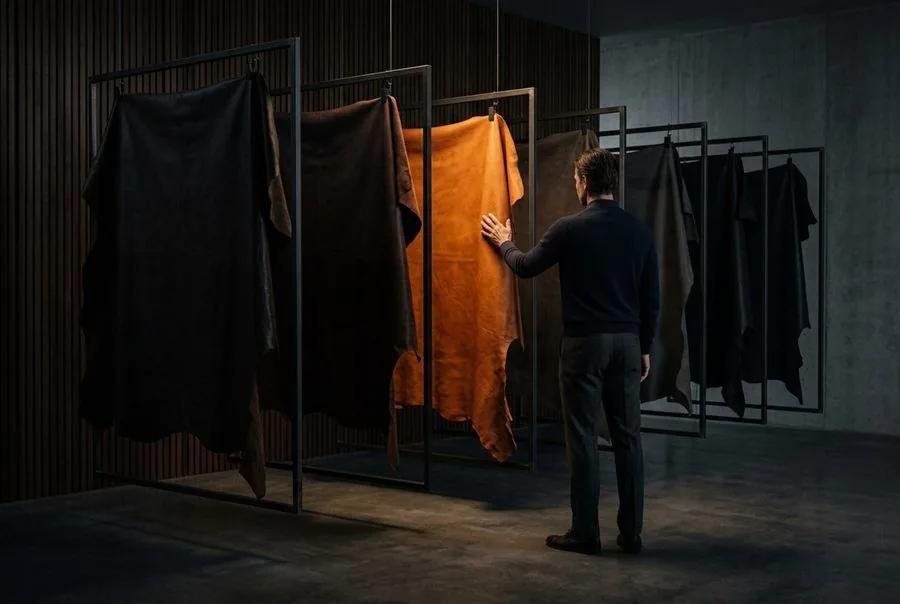
Not every hide is worthy of the Atelier. A leather may be sound, beautiful, and expertly prepared, yet lack the particular presence the House requires. It may fail to hold light with sufficient depth. Its grain may be too regular, too restless, too unwilling to promise a patina of character. It may be correct in every conventional sense and still not possess the quiet magnetism of a Vellum Aurelia work.
The Atelier receives only leather with a future. Its strength must be felt without hardness. Its surface must invite the hand without asking for attention. Its beauty must remain composed enough to deepen slowly, long after the first encounter has passed.
This is where rarity begins. Not with a number, but with a refusal.
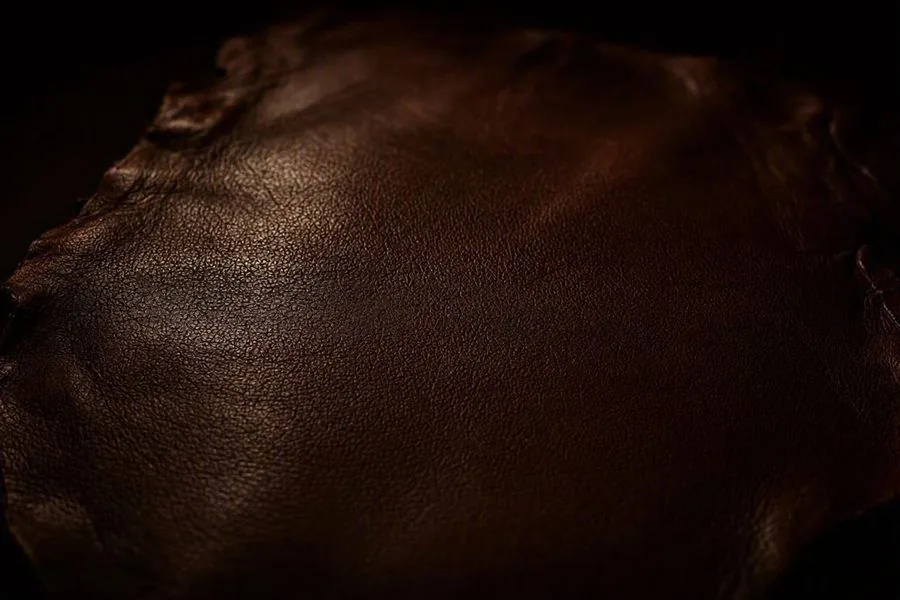
The most seductive things are never overexplained. Within the Atelier, every line is subjected to restraint. A curve is softened until it appears inevitable. A seam is placed where the eye will find harmony rather than effort. An edge is refined until the hand recognises it before the mind does.
Nothing is added to perform luxury. Nothing is embellished to secure admiration. The House allows its work to be discovered gradually. In shadow, in touch, in the private familiarity that develops only with time. Form follows the character of the leather. It does not compete with it.
What remains is not minimal. It is controlled.
Each collection is conceived as a sustained meditation on material, form, and restraint — singular objects for those who understand that true luxury resides in the considered.
The Collections stand as the defining expressions of Vellum Aurelia. A sovereign assembly of forms conceived for those who understand that true distinction is neither announced nor hurried. Each is born in the Atelier from leather chosen with uncommon severity. Valued not only for its beauty in the present, but for the stature it will assume through years of use. Beyond season and spectacle, every piece is created as an enduring emblem of discernment and assigned its own verifiable identity through the House’s authentication process. An individual record of provenance that confirms its place within Vellum Aurelia and safeguards the confidence of its rightful owner. Carried with quiet authority, each work gathers a private history and a character that deepens with every passing year.
Sign in to access your Private Chamber, or register to request admittance.
All registrations are conducted with the utmost discretion. Fields marked * are required.
Verify Your Address
A verification link has been dispatched to your email address. Kindly follow the link to complete your registration.
Once verified, return here and sign in to access the Private Chamber.
Changing your email address will require you to sign in again to confirm the update.
To arrange a private consultation with the House, kindly sign in or register within the Client Room.
| Client | Date & Time | Submitted | Status |
|---|---|---|---|
| Loading… | |||
Select a date to view appointment details.
| Client | Work | Collection | Price | Identity Ref | Date |
|---|---|---|---|---|---|
| Loading… | |||||
The Viscount is an exceptional saddle conceived for the enduring art of horsemanship: uncompromising in material, composed in form, and attentive to the comfort of both rider and horse.
Its balanced construction distributes the rider’s weight with considered precision, while the generously appointed seat offers a secure and deeply comfortable experience over prolonged rides.
Designed to withstand the demands of regular use, The Viscount does not merely endure time — it acquires distinction through it. With each season, its leather gathers character, its finish deepens, and its presence becomes increasingly particular to the rider and horse it serves.
This is a saddle of quiet authority: resilient enough for the rigours of the ride, refined enough for the finest stable, and gentle by design upon the horse’s back.
The Viscount is crafted to order according to the rider’s requirements, the horse’s conformation, and the intended discipline of use.
Saddle size, frame configuration, panel profile, seat depth, flap length, and girth arrangement are confirmed during the fitting process. Its construction promotes balanced weight distribution, freedom of movement, and a close, stable connection between horse and rider.
As an individually fitted article, final dimensions and specifications vary according to the selected configuration.
Cut and assembled from full-grain leather selected by the Atelier for strength, suppleness, grain character, and its ability to mature with distinction.
The saddle is built around a carefully engineered frame and supportive panels designed to distribute pressure across the horse’s back while allowing appropriate freedom around the spine and shoulders. Soft, resilient leather at the seat and contact areas provides a secure yet yielding surface for the rider, gradually conforming through use without surrendering its structural integrity.
Reinforced stitching, carefully shaped panels, refined hardware, and hand-finished edges express the House’s commitment to enduring function and elevated craft. Variations in grain and tone are intrinsic to natural leather; with time, The Viscount will develop a patina particular to its rider, horse, and manner of use.
After every ride, remove dust, hair, and perspiration with a soft, dry cloth. Where necessary, clean the leather with a barely damp sponge and a suitable pH-neutral saddle cleaner, taking care not to saturate the material.
Allow The Viscount to dry naturally in a cool, well-ventilated place, away from direct sunlight, radiators, and other sources of heat. Once clean and completely dry, apply a compatible leather conditioner sparingly to preserve suppleness. Do not use harsh detergents, solvents, excessive water, silicone-based products, or abrasive tools.
The Viscount should be inspected regularly by a qualified saddle professional to confirm continued suitability, balance, and comfort for both horse and rider.
The Viscount is covered by the Vellum Aurelia warranty against defects in materials and workmanship. Natural ageing, ordinary wear, accidental damage, misuse, poor fitting, alterations by unauthorised parties, and damage from improper care are not covered. For restoration, refitting, repair, or considered refurbishment, the House remains at your service.
Within the House, The Marquis occupies a place of quiet distinction: a travelling case for time, reserved for those whose days are divided between cities, estates, and the private rooms of clubs.
Its form is governed by restraint rather than display, sheltering four watches without concession to ornament. Every seam, cushion, and closure is resolved in the same spirit as the standards of the House.
Disciplined, enduring, and without hurry. This is not merely a vessel for departure, but an object of continuity, made to move through the world and remain unmistakably of the House.
Designed to hold four watches on removable padded cushions, accommodating cases up to approximately 50 mm including crown. Intended for short journeys, business travel, and weekends away, with space for a rotation of daily and occasion timepieces.
Cut from full grain leather, selected by the Atelier for its depth of tone, natural character, and capacity to mature with distinction.
The interior is finished in a soft suede lining, while brass hardware receives the House’s signature finish. Every cushion, compartment, and edge is resolved in service of protection and endurance.
Variations in grain and tone are intrinsic to natural leather; through travel and use, The Marquis will acquire a patina particular to its owner.
When not in use, store The Marquis within its dust bag, in a cool, dry, well ventilated place, away from prolonged sunlight, heat, and moisture.
Avoid contact with water, oils, perfume, cosmetics, alcohol based products, and strongly pigmented textiles. The leather will deepen and acquire a distinctive patina through use.
The Marquis is covered by the Vellum Aurelia warranty against defects in materials and workmanship. Natural ageing, ordinary wear, accidental damage, misuse, and damage arising from improper care are not covered. For restoration or repair, the House remains at your service.
The Patrician occupies a singular place within the House: a travelling work of sovereign proportion, reserved for journeys that demand both capacity and command. Its expansive form is governed by discipline rather than excess, carrying the essentials of several days without surrendering an inch of its composure. Balanced by a seven-inch handle and resolved in every line for enduring service, it speaks in the quiet register of inherited authority. This is not simply a companion for departure, but an object of standing—made to travel widely and remain unmistakably its own.
Designed for a considered journey of three to five days, with room for approximately five to seven shirts, two to three pairs of trousers, undergarments, a light knit, a compact toiletry case, travel documents, and one additional pair of shoes. Capacity will vary according to garment weight, footwear, and manner of packing.
Cut from full-grain leather, selected by the Atelier for its depth of tone, natural character, and capacity to mature with distinction. The interior is finished in a premium lining, while brass hardware receives the House’s signature finish. Every edge, join, and proportion is resolved in service of endurance.
Variations in grain and tone are intrinsic to natural leather; through travel and use, The Patrician will acquire a patina particular to its owner.
When not in use, store The Patrician lightly filled within its dust bag, in a cool, dry, well-ventilated place, away from prolonged sunlight, heat, and moisture. Avoid contact with water, oils, perfume, cosmetics, alcohol-based products, and strongly pigmented textiles. The leather will deepen and acquire a distinctive patina through use.
The Patrician is covered by the Vellum Aurelia warranty against defects in materials and workmanship. Natural ageing, ordinary wear, accidental damage, misuse, and damage arising from improper care are not covered. For restoration or repair, the House remains at your service.
The Regent occupies a commanding place within the House: a refined instrument of the course, designed to carry a complete set of clubs with order, protection, and quiet authority. Its tall, architectural form is balanced by a considered four-way divider system, allowing each club to remain composed and readily accessible throughout the round. Built for movement between fairway, clubhouse, and residence, it unites practical performance with the unmistakable presence of a Vellum Aurelia object. This is not merely a receptacle for equipment, but a considered companion to the game—resolved with the discipline, proportion, and enduring character of a finely made travel article.
Designed with a four-way top divider and full-length dividers to maintain separation throughout the body of the bag, helping prevent clubs from tangling and allowing for smooth removal and replacement. The dimensions and weight may vary slightly as a result of handcrafted production and material selection.
Constructed from materials selected by the Atelier for resilience, structure, and visual depth, The Regent is made to accompany the player through repeated rounds while retaining its composed silhouette. The exterior is finished with carefully considered panels, reinforced seams, and refined hardware, while the interior dividers are designed to provide continuous separation from the top opening through the length of the bag.
Each element—from the collar and divider system to the base, pockets, handles, and carrying points—is resolved in service of dependable performance and lasting presence. Natural leather, if selected for the final edition, will display variations in grain, tone, and marking that are intrinsic to the material. Through use, the bag will develop a patina particular to its owner.
When not in use, store The Regent upright in a cool, dry, well-ventilated place, away from prolonged sunlight, heat, and moisture. Remove clubs and personal effects before storage, empty all pockets, and allow the bag to dry naturally if exposed to rain or damp conditions. Do not store it while wet, and avoid contact with oils, perfume, cosmetics, alcohol-based products, harsh chemicals, and strongly pigmented textiles.
Wipe the exterior gently with a soft, dry or lightly dampened cloth. Do not apply unapproved conditioners, polishes, solvents, or waterproofing treatments, as these may alter the finish or compromise the material. The Regent is covered by the Vellum Aurelia warranty against defects in materials and workmanship. Natural ageing, ordinary wear, scuffing, accidental damage, misuse, overloading, and damage arising from improper care are not covered. For restoration, repair, or considered refurbishment, the House remains at your service.